Best Warm-Up Exercises Before a Home Workout

Introduction

Warm-up exercises before a home workout can help prepare your body for movement and make the transition into exercise more comfortable.

A warm-up is a short period of light activity that gradually increases your heart rate, gets your muscles moving, and prepares your joints for the exercises ahead. It can be especially useful when you’re exercising at home because you may be starting a workout after sitting at a desk, working around the house, or spending a long time inactive.

You don’t need a complicated routine or special equipment. A few minutes of simple movements can help you transition from everyday activities into your workout.

A proper warm-up should feel comfortable rather than exhausting. The goal is to prepare your body, not to use up your energy before the main workout.

In this guide, you’ll learn why warming up matters, how long your warm-up should take, which exercises are suitable for beginners, and how to create a simple routine before different types of home workouts.

If you’re still building your basic fitness routine, our Home Workouts for Beginners: Complete Guide to Getting Started can help you understand how to approach exercise at home.


Why a Warm-Up Matters

Starting a workout immediately with demanding exercises can be uncomfortable, particularly if your body has been inactive for several hours.

A gradual warm-up gives you an opportunity to increase the intensity step by step.

It can also help you become more aware of how your body feels before you begin the main workout.

Gradually Increase Your Heart Rate

Light movement gradually increases your heart rate and breathing.

Instead of going directly from sitting or resting to intense exercise, you give your body time to adjust.

Walking in place, marching, or performing gentle step movements can be enough to get started.

Prepare Your Muscles for Movement

A warm-up introduces your muscles to the types of movements you are about to perform.

For example, bodyweight squats can be useful before a lower-body workout because they allow you to practice the movement at a low intensity.

Similarly, gentle arm movements can prepare your shoulders before exercises involving the upper body.

Improve Mobility

Some warm-up movements take your joints through a comfortable range of motion.

Shoulder circles, hip circles, and gentle leg movements can help you prepare for exercises that require mobility.

This is particularly useful if you spend a lot of time sitting during the day.

Prepare Mentally for Exercise

A warm-up is also a transition between your everyday activities and your workout.

Those few minutes give you time to focus on your breathing, posture, and technique.

Instead of starting the workout distracted or rushed, you can gradually become more focused on the movements you are about to perform.


How Long Should a Warm-Up Last?

There is no single warm-up length that works perfectly for everyone.

For most beginner home workouts, five to ten minutes is a practical starting point.

A shorter warm-up may be enough before a light workout, while a longer warm-up can be useful before a more demanding session.

The intensity should also increase gradually.

You might begin with slow marching, add arm movements, and then introduce exercises that are similar to those in your main workout.

Short Warm-Up

A five-minute warm-up can work well when you’re doing a short or relatively easy workout.

For example:

  • 1 minute of marching in place
  • 30 seconds of arm circles
  • 30 seconds of shoulder rolls
  • 1 minute of hip and leg movements
  • 1 minute of bodyweight squats
  • 1 minute of gentle full-body movement

The exact timing doesn’t have to be perfect.

The important thing is to gradually prepare your body.

Longer Warm-Up

A 10-minute warm-up may be useful before a longer or more demanding workout.

You can spend the first few minutes on general movement and then gradually introduce exercises that resemble the main workout.

For example, before a full-body strength session, you could include easy squats, wall push-ups, marching, and controlled lunges.

The warm-up should still leave you with enough energy for the actual workout.


What Makes a Good Warm-Up?

An effective warm-up should be simple, progressive, and appropriate for the workout you are about to perform.

You don’t need to copy a complicated routine from a professional athlete.

Start with Easy Movement

Begin with low-intensity movements.

Your body should gradually become warmer and more active rather than being challenged immediately.

Use Controlled Movements

Perform each movement with control.

A warm-up isn’t the time to rush through repetitions or compete against a timer.

Focus on comfortable movement and good posture.

Match the Warm-Up to Your Workout

Your warm-up should prepare you for what comes next.

A lower-body workout may benefit from more leg and hip movements, while an upper-body session can include additional shoulder and arm movements.

A full-body workout can combine both.

Don’t Exhaust Yourself

You should finish your warm-up feeling ready to exercise.

If you’re already breathing heavily or your muscles feel tired, you’ve probably made the warm-up too intense.
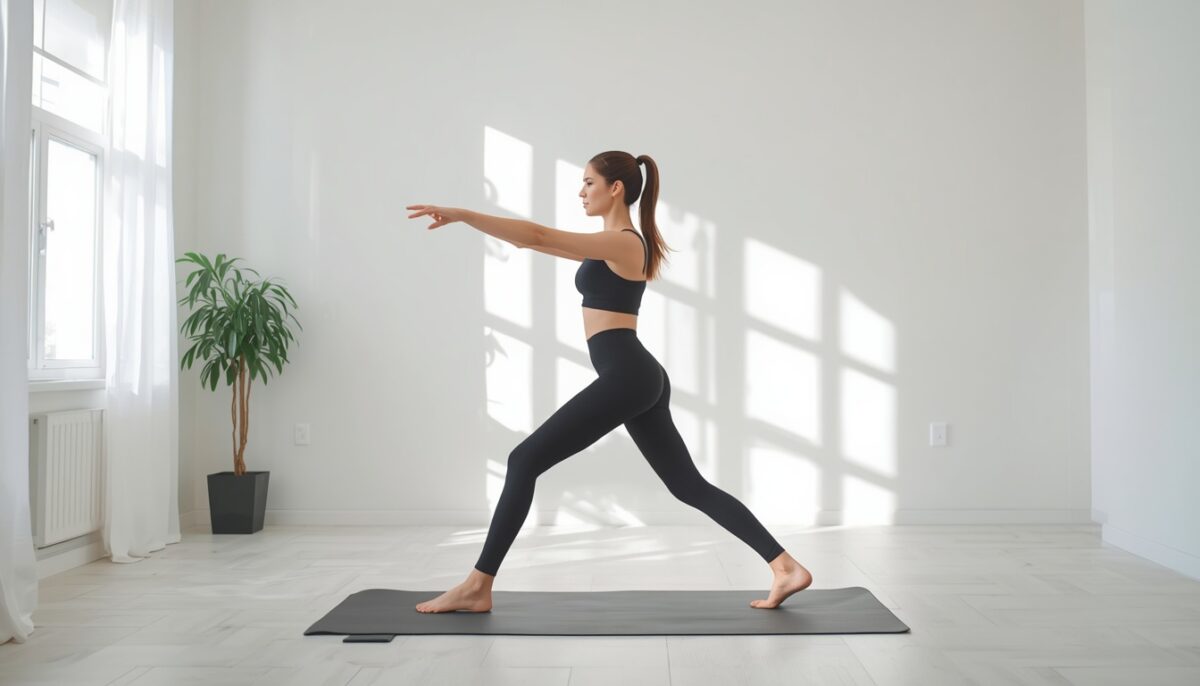
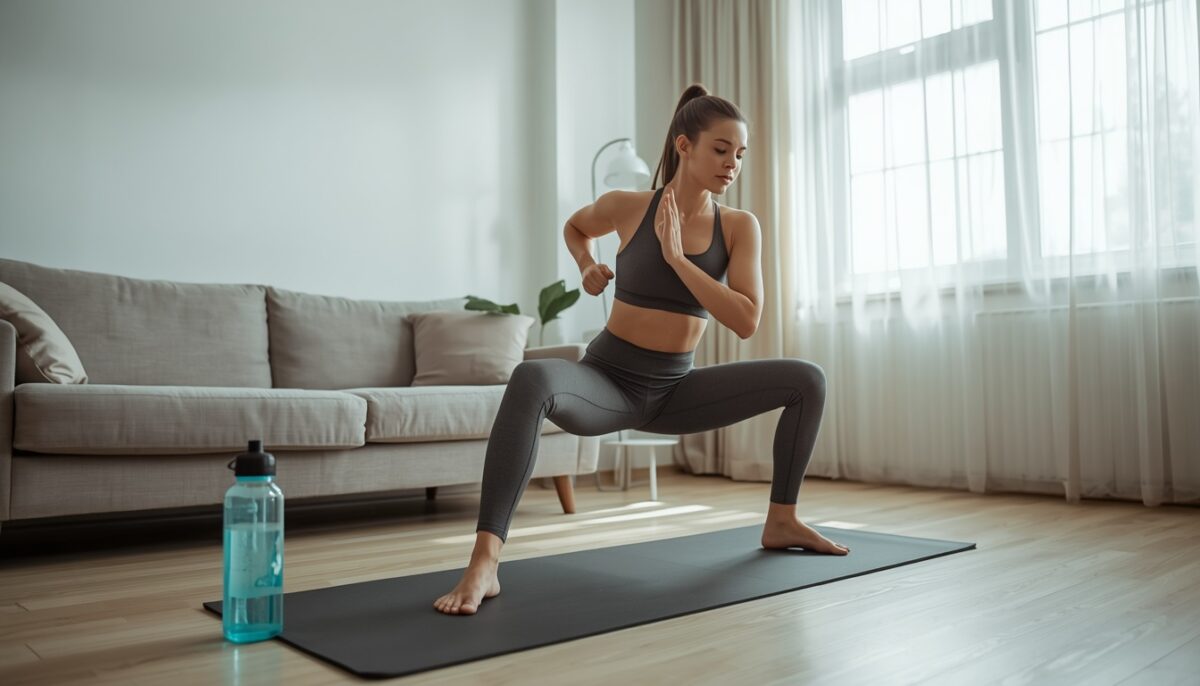
Best Warm-Up Exercises Before a Home Workout

Best warm-up exercises before a home workout

The best warm-up exercises are simple movements that gradually prepare your body for the workout ahead. You don’t need to perform every exercise in every session. Choose movements that match the type of workout you plan to do.

The exercises below are suitable for beginners and can be performed at home without equipment.

Marching in Place

Marching in place is one of the easiest ways to begin a warm-up.

Stand upright and alternate lifting your knees while moving your arms naturally. Start slowly and gradually increase your pace.

Duration: 60 seconds

This exercise gently increases your heart rate and prepares your legs for more movement.

Arm Circles

Arm circles help prepare your shoulders and upper body for exercises that involve pushing or supporting your body weight.

Stand with your feet comfortably apart and extend your arms to the sides. Make small circles with your arms and gradually make the circles slightly larger.

Change direction halfway through the exercise.

Duration: 30–40 seconds

Keep the movement controlled and avoid forcing your shoulders into an uncomfortable range of motion.

Shoulder Rolls

Shoulder rolls are particularly useful if you’ve been sitting for a long time.

Stand comfortably and slowly roll both shoulders forward several times. Then reverse the direction.

Duration: 30 seconds

Keep your neck relaxed and avoid moving too quickly.

Hip Circles

Hip circles gently move your hips through a comfortable range of motion.

Stand with your feet slightly wider than your hips. Place your hands on your hips and make slow circles with your pelvis.

Change direction after several repetitions.

Duration: 30 seconds

Keep the movement smooth and controlled.

Bodyweight Squats

Easy bodyweight squats can prepare your legs and hips for lower-body exercises.

Stand with your feet approximately shoulder-width apart. Push your hips backward and lower your body slowly. Return to the standing position without rushing.

Repetitions: 8–10

During a warm-up, don’t try to reach your maximum depth or perform the exercise quickly. Focus on comfortable movement and good posture.

Alternating Knee Raises

Stand upright and slowly raise one knee toward your waist. Lower it and repeat with the other leg.

Continue alternating sides while keeping your upper body stable.

Duration: 30–45 seconds

This movement prepares your hips and legs while also adding a little more activity to your warm-up.

Leg Swings

Leg swings can help prepare your hips and legs before exercises involving lunges, squats, or other lower-body movements.

Hold onto a stable surface if necessary.

Swing one leg gently forward and backward without forcing the movement. Repeat on the other side.

Duration: 20–30 seconds per leg

Keep the range of motion comfortable and gradually increase it as your body becomes more prepared.


10-Minute Warm-Up Routine

10-minute warm-up routine before exercising at home

You can combine the exercises above into a simple routine before your home workout.

This sequence is designed to gradually increase your activity level rather than making you tired before the main session.

Minute 1 – March in Place

Begin with easy marching.

Keep your shoulders relaxed and breathe naturally.

Gradually increase your pace during the final 20–30 seconds.

Minute 2 – Arm Circles and Shoulder Rolls

Spend approximately 30 seconds performing arm circles.

Then switch to slow shoulder rolls.

Focus on keeping the movements controlled.

Minute 3 – Hip Circles and Gentle Leg Movements

Perform hip circles for approximately 30 seconds.

Then add gentle leg movements to prepare your hips and lower body.

Minutes 4–5 – Bodyweight Squats

Perform 8–12 slow bodyweight squats.

Take your time and focus on maintaining good posture.

If squats are uncomfortable, reduce the depth or perform fewer repetitions.

Minutes 6–7 – Alternating Knee Raises

Continue with controlled knee raises.

Keep your core gently engaged and maintain an upright posture.

You can increase the pace slightly if you feel comfortable.

Minutes 8–9 – Dynamic Full-Body Movement

Combine easy movements such as marching, arm swings, and gentle side steps.

The goal is to keep your entire body moving while gradually increasing your readiness for exercise.

Minute 10 – Workout-Specific Movements

Use the final minute to practice movements similar to your main workout.

For example, perform a few easy squats before a leg workout or several wall push-ups before an upper-body session.

This creates a smooth transition from the warm-up into the main workout.


Warm-Up for Different Types of Home Workouts

The ideal warm-up depends partly on what you are planning to do afterward.

You don’t need a completely different routine every time, but you can emphasize movements that prepare the muscles and joints you will use most.

Before a Full-Body Workout

Start with general movements such as marching, arm circles, hip circles, and easy squats.

Then perform a few low-intensity versions of the exercises included in your workout.

For example, if your workout includes squats, push-ups, and glute bridges, practice a few easy repetitions before increasing the intensity.

Before a Lower-Body Workout

Spend more time preparing your hips, legs, and ankles.

Useful movements include:

  • Hip circles
  • Leg swings
  • Easy squats
  • Alternating knee raises
  • Gentle lunges

Keep the intensity moderate and focus on controlled movement.

Before an Upper-Body Workout

Focus more attention on your shoulders, arms, chest, and upper back.

Arm circles, shoulder rolls, gentle arm swings, and wall push-ups can help you prepare for exercises involving the upper body.


Common Warm-Up Mistakes

A warm-up should prepare you for exercise without making you tired before the main workout. Beginners sometimes make a few simple mistakes that can reduce its effectiveness.

Starting Too Quickly

One of the most common mistakes is treating the warm-up like the main workout.

You don’t need to move as fast as possible or make your heart rate rise quickly.

Start with easy movements and gradually increase the intensity.

Skipping the Warm-Up Completely

If you only have a limited amount of time, it can be tempting to skip the warm-up.

However, even five minutes of light movement can help you transition into your workout.

If you’re short on time, reduce the number of warm-up exercises rather than removing the warm-up completely.

Holding Long Static Stretches Before Exercise

Long, intense static stretches are not always necessary as the first part of a workout.

Instead, focus primarily on controlled movements that take your joints through a comfortable range of motion.

Save longer stretches for your cool-down or another part of your mobility routine.

Ignoring Your Fitness Level

A warm-up should match your current abilities.

Someone who is new to exercise may need a slower and simpler routine than someone who exercises regularly.

There is no benefit to copying an advanced athlete’s warm-up if it is too demanding for you.

Ignoring Pain or Unusual Symptoms

A warm-up should not cause sharp or unusual pain.

If a movement hurts, stop and try a gentler alternative.

If you experience persistent pain, dizziness, chest pain, or other concerning symptoms during exercise, stop the workout and seek appropriate medical advice.


How to Make Your Warm-Up More Effective

You don’t need to make your warm-up longer or more complicated to improve it.

A few simple habits can make a noticeable difference.

Start Slowly

Begin with low-intensity movements and give your body time to adjust.

The first minute should feel easy.

You can gradually increase your pace as you become warmer.

Use the Exercises in Your Workout

One of the easiest ways to prepare for a workout is to practice simplified versions of the movements you are about to perform.

For example, before a bodyweight workout, you might perform several easy squats, wall push-ups, or glute bridges.

This helps you prepare for the movement patterns you will use during the main session.

Pay Attention to How You Feel

Your body may feel different from one day to another.

If you’re stiff after sitting for several hours, spend more time on gentle mobility.

If you’re already active and feel ready to exercise, a shorter warm-up may be enough.

The warm-up should prepare you for the workout you are doing that day.


Frequently Asked Questions

Is a warm-up necessary before every home workout?

A warm-up is a useful part of most workouts, particularly before moderate or vigorous exercise.

For a very light activity session, you may need only a few minutes of gentle movement.

The more demanding the workout, the more important it is to prepare your body gradually.

How long should a beginner warm up?

Five to ten minutes is a practical range for most beginner home workouts.

A shorter warm-up may be appropriate before an easy session, while a longer warm-up can be useful before more demanding exercise.

Can I warm up without equipment?

Yes.

You can perform an effective warm-up using simple bodyweight movements such as marching, arm circles, shoulder rolls, hip circles, squats, and knee raises.

You don’t need a treadmill, stationary bike, or other equipment.

Should I stretch before a workout?

Gentle dynamic movements are generally a practical choice before exercise.

You can include controlled leg swings, arm movements, hip circles, and other mobility exercises.

Longer static stretches can be included later, depending on your routine and personal needs.

Can I use the same warm-up every day?

Yes, you can use a similar basic warm-up before different workouts.

However, it’s useful to adjust some movements depending on what you’re going to train.

For example, a lower-body workout may benefit from more leg and hip movements, while an upper-body session can include additional shoulder and arm exercises.

What should I do if I don’t have much time?

Use a short five-minute warm-up instead of skipping it completely.

Start with marching, add some upper-body movements, perform a few easy squats, and finish with movements that resemble your main workout.

A short, focused warm-up is better than spending a long time on unnecessary exercises.


Final Thoughts

A good warm-up doesn’t need to be complicated.

A few minutes of gradual movement can help prepare your body and mind for the workout ahead.

Start with easy movements, gradually increase the intensity, and choose exercises that match the workout you are about to perform.

For beginners, the most important thing is not creating the perfect warm-up routine. It’s developing the habit of preparing your body before exercise.

As you become more familiar with your workouts, you’ll learn which movements make you feel ready and comfortable.

Keep your warm-up simple, stay consistent, and listen to your body.

If you’re building a complete home fitness routine, combine these warm-up ideas with our Home Workouts for Beginners: Complete Guide to Getting Started, 10-Minute Home Workout for Busy People, and Best Home Workout Without Equipment (Complete Beginner Guide).


Related Articles

Continue building your home workout routine with these guides:

2 thoughts on “Best Warm-Up Exercises Before a Home Workout”

  1. Pingback: 3-Day Home Workout Plan for Beginners | Simple Guide

  2. Pingback: Lower Body Home Workout for Beginners | Simple Guide

Leave a Comment

Your email address will not be published. Required fields are marked *

Scroll to Top